Structural Integrity of the SR Rigs Chassis
The sim racing industry is currently witnessing a significant shift in consumer hardware expectations, moving away from entry-level plastic peripherals toward high-torque wheel bases and load-cell braking systems. As these components become more accessible, a new engineering challenge has emerged: the stability of the domestic environment. SR Rigs has entered this fray with the SR Pedal Stand Pro, a device specifically designed to bridge the gap between a casual desk setup and a full-scale motion cockpit. The primary technical hurdle for most "desk racers" is the Newton’s Third Law problem; when a driver applies 60 kg of force to a brake pedal, an equal force pushes the racing chair backward or the pedals forward. By integrating the chair and the pedal tray into a single, unified frame, SR Rigs effectively neutralizes this kinetic energy, allowing for consistent trail braking without the risk of equipment migration.
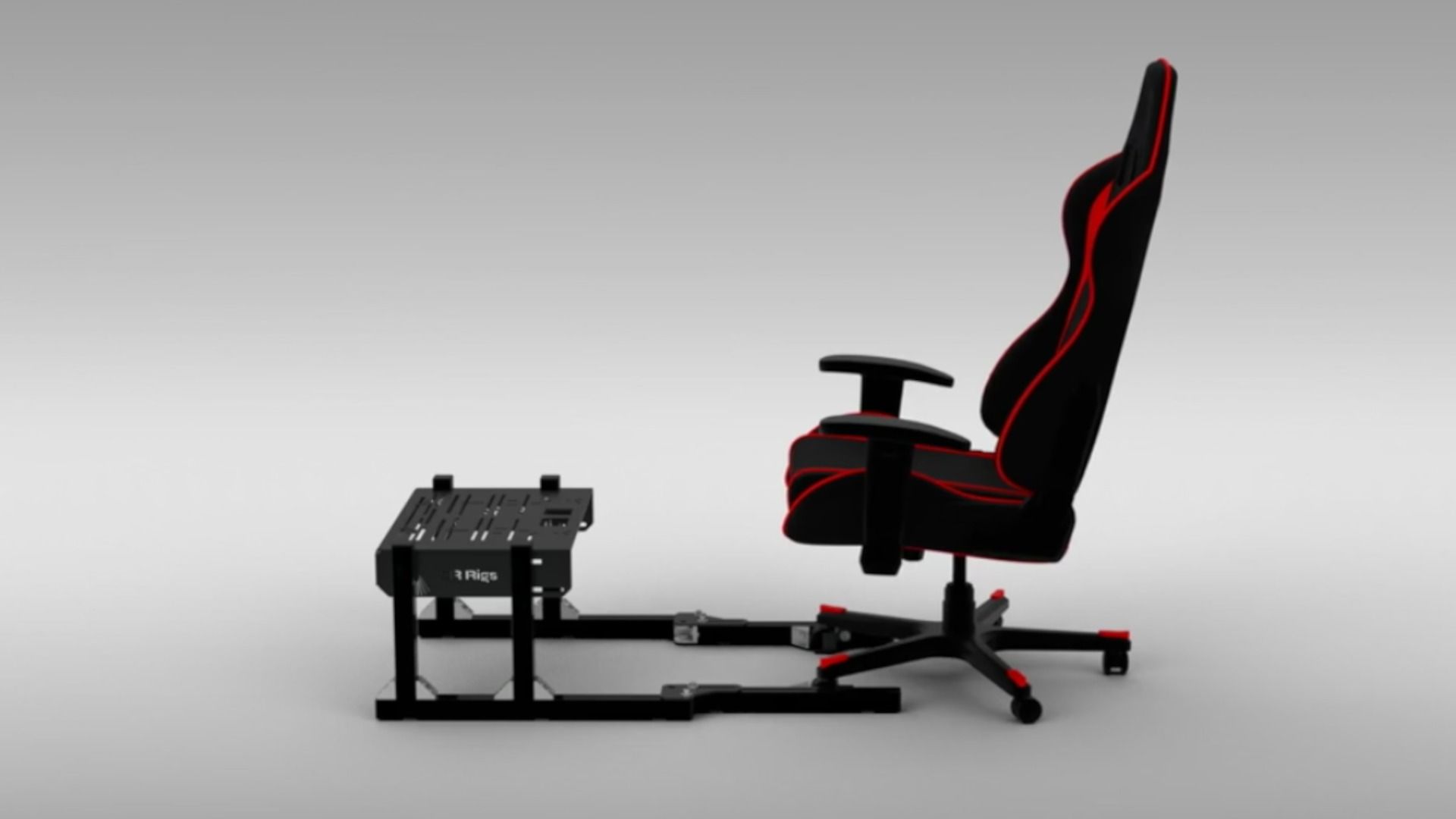
The 60 kg braking force threshold is particularly noteworthy. In the hierarchy of sim racing, 60 kg represents a "prosumer" sweet spot. While professional-grade hydraulic pedals can require over 100 kg of force, most popular load-cell kits from mainstream manufacturers operate comfortably within the 40 kg to 80 kg range. By certifying the SR Pedal Stand Pro for 60 kg, SR Rigs is targeting the most active segment of the market—drivers who have graduated from basic potentiometer pedals but do not yet have the space or budget for a permanent aluminum profile rig. This investigative look into the stand's specifications suggests a heavy reliance on high-grade steel and reinforced mounting points to prevent the flex that often plagues lighter, portable stands.
Compatibility Standards Across Fanatec and Logitech
Interoperability is the cornerstone of the SR Pedal Stand Pro value proposition. In a market where brand ecosystems often attempt to lock users into a single manufacturer, the decision by SR Rigs to support Moza, Fanatec, Thrustmaster, and Logitech simultaneously is a strategic masterstroke. This broad compatibility is not merely about bolt-hole patterns; it is about the geometry of the pedal faces and the varying heights of the heel plates. For instance, the Fanatec CSL Elite pedals have a different pivot point compared to the Moza SRP Lite set. The SR Pedal Stand Pro appears to utilize a modular tray system that allows for the fine-tuning of these angles, ensuring that the ergonomics remain professional regardless of the hardware brand being utilized.
Furthermore, the inclusion of Logitech and Thrustmaster support acknowledges the massive install base of the G29 and T300 series. Many of these users eventually upgrade to third-party load-cell mods, which immediately render standard floor-placed pedals unusable. By providing a stable platform for these legacy brands, SR Rigs is positioning itself as an essential upgrade path for those looking to modernize their existing gear. This cross-brand utility suggests that SR Rigs is more interested in becoming a platform-agnostic infrastructure provider than a niche accessory manufacturer. The versatility of the mounting plate indicates a future-proof design that could likely accommodate upcoming releases from emerging brands like Asetek or Simagic with minimal adjustment.
Market Volatility and the SR Rigs Waitlist
The implementation of a waitlist for the SR Pedal Stand Pro is a clear indicator of the current state of sim racing logistics and consumer demand. Since the global surge in home entertainment in 2020, the sim racing market has struggled with "feast or famine" inventory cycles. For a specialized firm like SR Rigs, the waitlist serves two purposes: it manages consumer expectations in a high-demand environment and provides a data-driven metric for scaling production. Investigative analysis of the sim racing community forums reveals a growing frustration with "out of stock" notices; however, the structured waitlist approach adopted here seems to have fostered a sense of exclusivity and brand loyalty rather than irritation.
This "drop" culture, common in high-end PC hardware and sneakers, is now firmly entrenched in the sim racing world. The high interest in the SR Pedal Stand Pro suggests that the "missing middle" of the market—the space between a $100 wheel stand and a $1,000 cockpit—is currently the most underserved. Consumers are increasingly willing to wait for a specialized solution that solves a specific mechanical problem rather than settling for a generic, unstable alternative. The success of this launch will likely depend on the company's ability to convert this waitlist into fulfilled orders before competitors can clone the design or improve upon the 60 kg force rating.
Future Trajectory for SR Rigs
The success of the SR Pedal Stand Pro will likely catalyze a new wave of modular, space-saving racing solutions that prioritize high-force resistance over aesthetic complexity. As direct-drive technology becomes the standard for entry-level wheel bases, the demand for stabilization hardware that can be tucked away in a closet will only intensify. SR Rigs is positioned to lead this transition by refining the balance between industrial-grade stability and consumer-grade portability.
Tags : #SRPedalStandPro #SimRacing #GamingNews #RaceSimulation #RacingGear