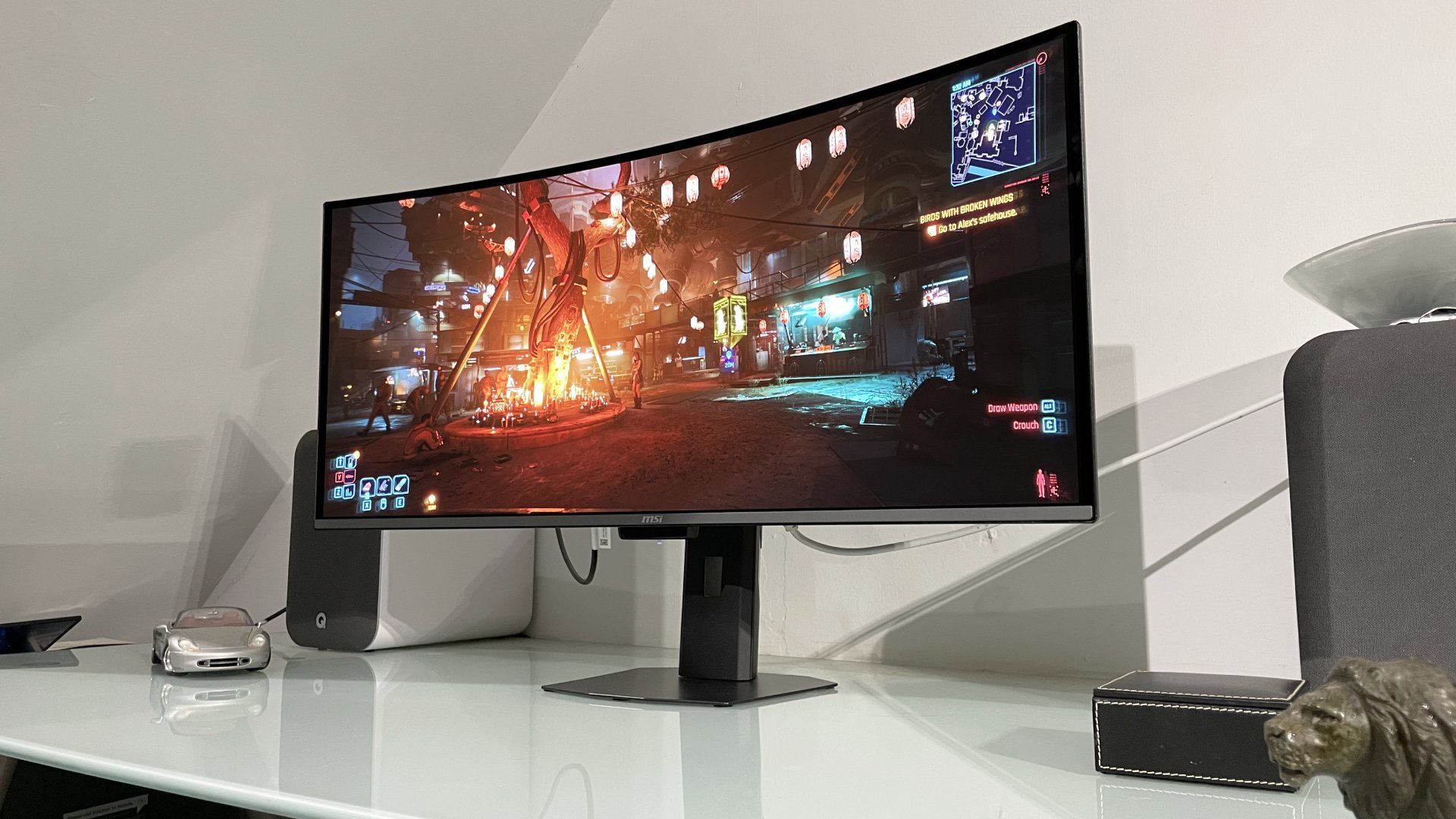
The landscape of desktop computing is currently undergoing its most significant transformation since the transition from cathode-ray tubes to liquid crystal displays. According to recent market intelligence, the era of the OLED PC monitor has moved past the early-adopter phase and is now entering a period of hyper-growth. This shift is not merely a trend but a fundamental re-architecting of the premium display market, driven by a consumer base that is increasingly unwilling to compromise on visual fidelity, response times, and contrast ratios.
The Explosive Trajectory of Trendforce Market Data
Recent projections from Trendforce indicate that the OLED monitor sector is poised for a staggering expansion. By the end of 2025, the market is expected to reach approximately 2.735 million units. This figure represents a 92% year-over-year increase, a growth rate that is almost unheard of in the mature hardware industry. This surge suggests that manufacturing efficiencies have finally reached a point where OLED panels can be produced at volumes and price points that resonate with the broader enthusiast market, rather than just the ultra-high-end niche.
The momentum does not stop at the 2025 horizon. Analysts anticipate that the following year will see even more aggressive adoption. By 2026, the industry is forecasted to surpass the four-million-unit milestone. This trajectory is fueled by the diversification of panel types, including both WOLED and QD-OLED technologies, which have created a healthy competitive environment among panel suppliers like LG Display and Samsung Display. As these manufacturing giants refine their inkjet printing processes and organic material stacks, the cost-per-inch is dropping, allowing brands to integrate these premium panels into more diverse product lineups.
https://dlcdnwebimgs.asus.com/gain/9F96D50A-6617-4E90-B4C2-93D372864016/w1000/h732
Investigating the supply chain reveals that the 92% growth spike is largely attributed to the resolution of previous hurdles, such as text clarity issues and burn-in anxieties. Modern OLED monitors now feature improved subpixel layouts and sophisticated heat dissipation systems, which have bolstered consumer confidence. Furthermore, the expansion of the "prosumer" market—users who utilize their monitors for both high-level creative work and competitive gaming—has created a dual-stream demand that traditional LCD technologies are struggling to satisfy.
Asus Secures Dominance Over Samsung and MSI
In the battle for market share, Asus has emerged as the definitive frontrunner. The company is forecasted to command a 21.6% share of the OLED monitor market by 2025. This leadership position is the result of an aggressive "first-to-market" strategy with new panel technologies. By leveraging its Republic of Gamers (ROG) sub-brand, Asus has successfully positioned itself as the aspirational choice for enthusiasts. Their ability to implement custom heatsinks and proprietary firmware optimizations has allowed them to push OLED panels harder than many of their competitors, offering higher peak brightness levels that appeal to HDR aficionados.
Samsung, despite being a primary manufacturer of the QD-OLED panels used by many of its rivals, follows closely in the second position with a projected 19.3% market share. Samsung’s strategy focuses on vertical integration, utilizing its Odyssey lineup to showcase the vibrant color volume inherent in quantum dot technology. While Samsung remains a powerhouse, its slightly lower market share compared to Asus suggests that consumers are placing a high value on the gaming-centric features and aesthetic ecosystems that third-party vendors provide, rather than just the brand name of the panel manufacturer itself.
https://www.youtube.com/watch?v=FjS63i9Gof8
MSI occupies the third spot on the podium with a 13.1% projected share. MSI’s rise in the OLED space is particularly noteworthy, as the company has utilized aggressive pricing and comprehensive warranties—including specific coverage for burn-in—to undercut the traditional giants. This "value-premium" positioning has allowed MSI to capture a significant portion of the market that desires OLED quality but remains price-sensitive. The competition between these three titans is driving a feature war that benefits the end-user, resulting in faster refresh rates, better connectivity options like USB-C Power Delivery, and more robust software suites for monitor management.
The Technical Evolution of OLED Panels
The shift toward OLED technology in the PC space is gaining momentum because it addresses the inherent limitations of the aging IPS and VA technologies. For decades, PC users had to choose between the color accuracy of IPS and the contrast of VA. OLED eliminates this trade-off by offering self-emissive pixels that can turn off completely, providing "infinite" contrast and true blacks. This is particularly critical for the growing HDR (High Dynamic Range) content ecosystem, where the ability to display a bright highlight next to a pitch-black shadow without "blooming" or "haloing" is paramount.
Increased demand for high-quality visual performance is no longer restricted to the gaming community. The rise of remote work and the professionalization of content creation mean that more users are seeking displays that can handle color-critical tasks during the day and immersive entertainment at night. OLED’s near-instantaneous response times—often measured at 0.03ms GtG—provide a level of motion clarity that even the fastest 360Hz or 540Hz LCDs struggle to match. This technical superiority is the primary engine driving the market expansion toward the four-million-unit mark in 2026.
Moreover, the industry is seeing a move toward more ergonomic and versatile form factors. We are no longer limited to standard 27-inch or 32-inch flat panels. The OLED revolution has ushered in ultra-wide 49-inch "super ultrawides" and even bendable displays that allow users to switch between flat and curved modes. This versatility, combined with the thinning of the displays themselves, has made OLED the centerpiece of the modern high-end workspace. As production lines scale and yields improve, we expect to see these panels migrate into more affordable price brackets, further solidifying their dominance over the desktop landscape.
The OLED segment will likely cannibalize the high-end mini-LED market by the end of 2026 as production costs continue to plummet. Manufacturers who fail to pivot toward self-emissive technologies will find themselves relegated to the budget office-supply sector. This shift represents the most significant architectural change in desktop computing since the transition from CRT to LCD.
Tags : #OLEDMonitors #AsusLead #GamingPCs #MarketForecast #TechNews