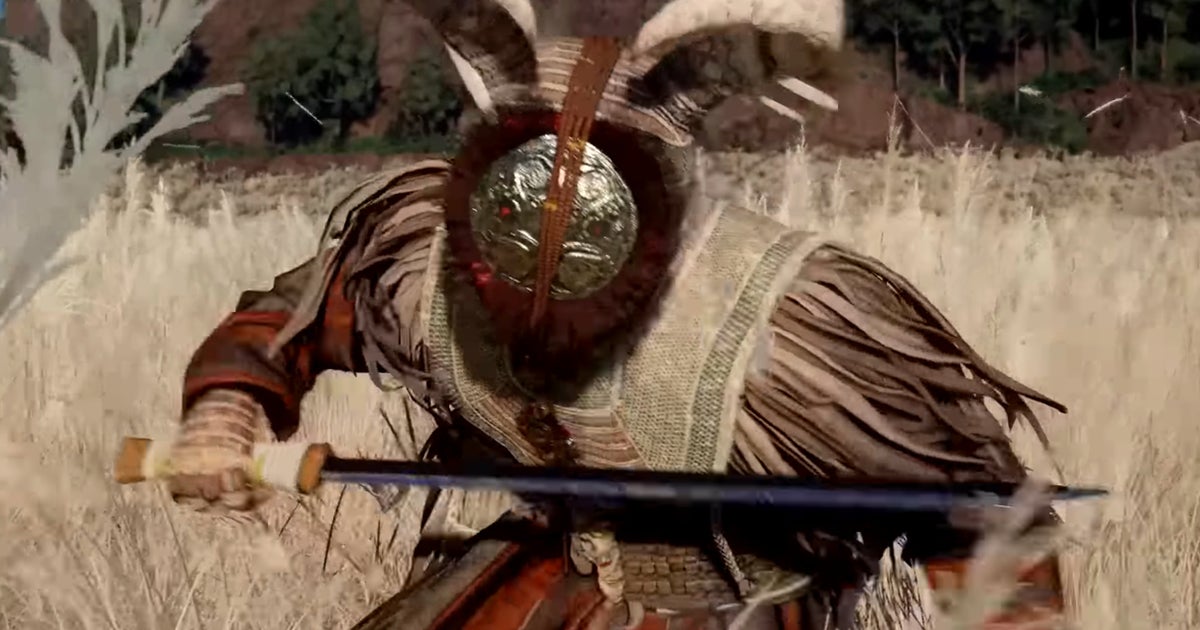
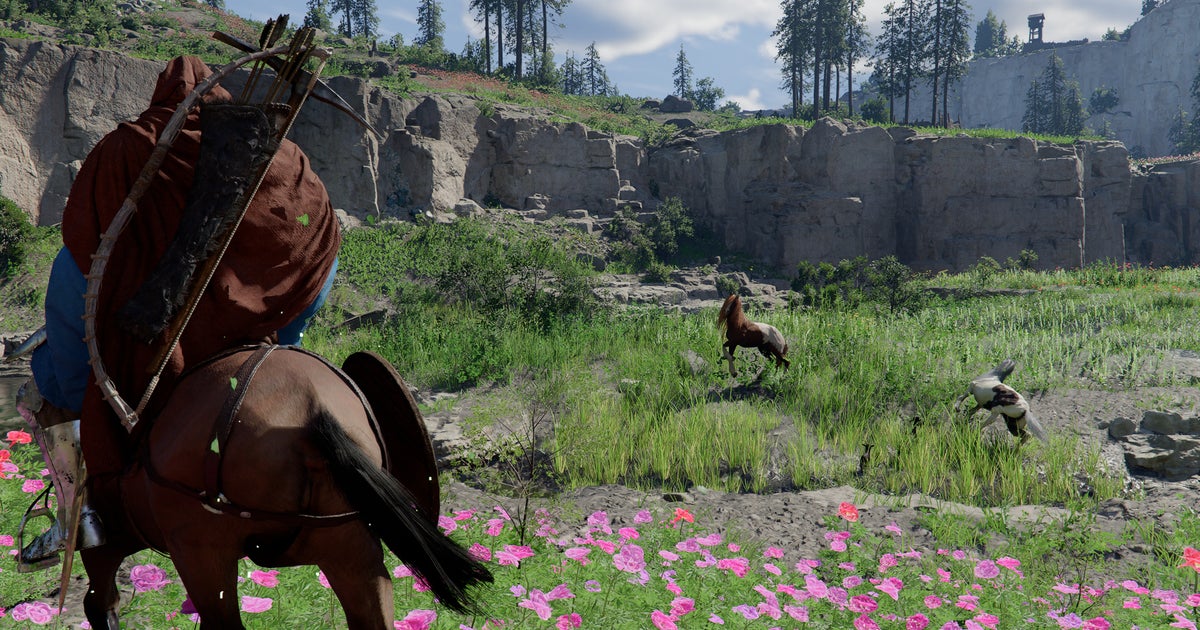
The competitive landscape of Crimson Desert is currently undergoing a massive shift as players dissect the latest combat data. While the game emphasizes a fluid, open-world experience, the community has quickly gravitated toward a rigid hierarchy of efficiency. This tier list controversy isn't just about preference; it is about the mathematical reality of frame data and damage output. High-level players are currently prioritizing mobility and hit-frequency over raw, single-hit power. This has led to a polarized community where traditional heavy-hitters feel sidelined by faster, more agile archetypes.
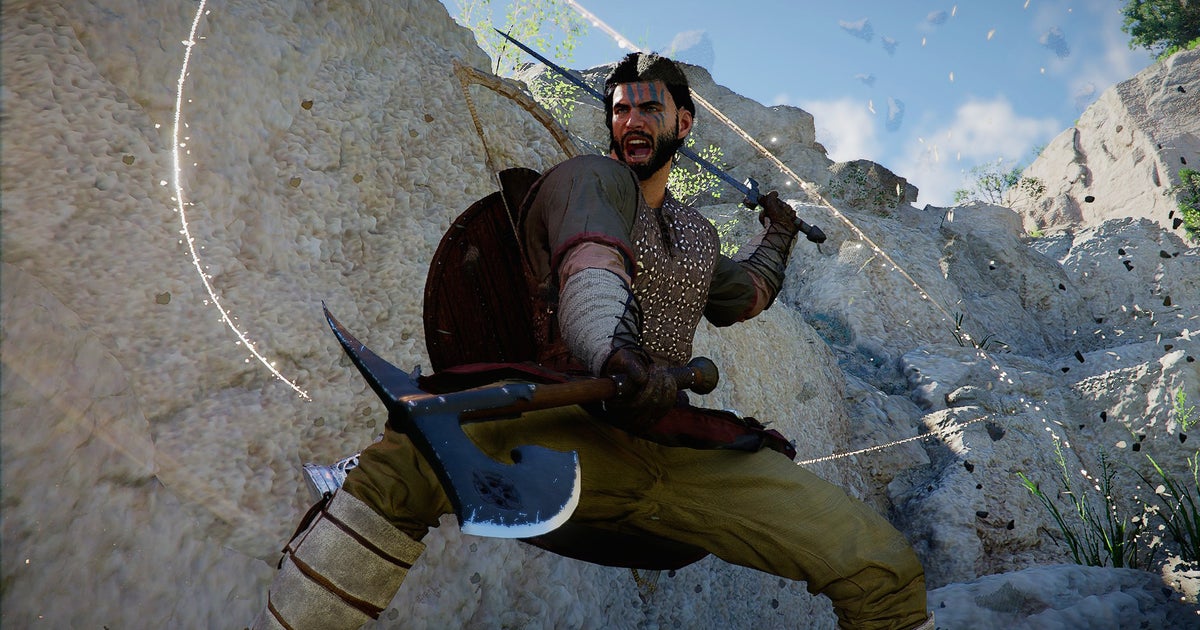

Crimson Desert Combat Meta Favors Speed
The current S-Tier is dominated by Dual Wielding and Unarmed Combat, a choice that has surprised long-time fans of the genre. Dual Wielding offers a unique advantage in its ability to stack "Laceration" debuffs faster than any other weapon class in the game. Each strike contributes to a hemorrhage meter that, once filled, deals a percentage of the target's maximum health as true damage. In boss encounters where health pools are massive, this percentage-based scaling is mathematically superior to the flat damage provided by heavier weapons. The speed of these attacks also allows for tighter dodge-canceling windows, making the player significantly harder to pin down.
Unarmed Combat sits alongside Dual Wielding due to its unparalleled crowd control and environmental interaction. Players have discovered that the "Tackle and Maul" mechanic allows for infinite stagger loops against human-sized enemies. By using the environment—slamming foes into trees or off cliffs—Unarmed specialists bypass traditional defense stats entirely. This isn't just a style choice; it is a tactical exploit of the game’s physics engine. The community remains divided on whether this constitutes a balanced playstyle or a mechanical oversight that requires an immediate patch. For now, the efficiency of these two categories remains undisputed in high-level play.
Dual Wielding Mechanics Outperform Heavy Sets
The technical gap between the top and bottom tiers comes down to recovery frames. When using Dual Wielding, the recovery window after a missed attack is roughly 12 frames, whereas a Mace requires nearly 40 frames to return to a neutral stance. In a fast-paced action game like Crimson Desert, those 28 frames represent the difference between a successful parry and a lethal blow. Optimization experts suggest that the current meta is built around "punish windows." If a boss has a three-second opening, a Dual Wielding player can land ten hits and still have time to retreat. A player with a slower weapon might only land two, resulting in lower total DPS despite higher individual hit numbers.
Verticality also plays a role in this ranking. Dual Wielding skills often incorporate leaps and mid-air spins that keep the player above the ground-level hitboxes of most enemies. This aerial superiority provides a layer of passive defense that heavy weapons lack. While a player with an Axe must stand their ground and trade hits using a "poise" system, the Dual Wielder simply moves to a different plane of existence. The skill ceiling is higher, but the rewards for mastering the movement are disproportionately large compared to the risk involved.
Axe and Bow Situational Utility Explained
The A-Tier consists of the Axe and the Bow, weapons that are powerful but require specific conditions to outshine the S-Tier. The Axe is the king of "Shield Splintering." Against heavily armored knights or tower-shield-bearing elites, the Axe can shatter defenses in two heavy swings. This creates a "Groggy" state, allowing for a critical finisher. However, the Axe struggles in encounters with multiple fast-moving targets. Its wide horizontal swings are easily interrupted by light attacks, forcing the player to rely on heavy armor sets that reduce overall movement speed. It is a specialized tool rather than a general-purpose solution.
The Bow occupies a similar niche, functioning as the primary tool for "Distance Scaling." Damage increases based on the flight time of the arrow, rewarding players who can maintain maximum range. In open-world skirmishes, the Bow is arguably the best weapon for thinning out enemy ranks before a fight begins. The controversy arises in dungeon settings where tight corridors make long-range kiting impossible. When forced into close quarters, the Bow’s utility drops significantly, as its melee-defense options are limited to a basic kick and a short-range backflip. This situational inconsistency is exactly why it sits just below the top tier.
Mace and Rapier Require Significant Buffs
Frustration is mounting among players who prefer the Mace, Rapier, or Rifle. These B-Tier weapons suffer from identity crises within the current build of the game. The Mace, intended to be a high-impact bludgeon, currently lacks the "Stun Threshold" necessary to justify its slow speed. Many bosses seem immune to the Mace’s unique impact stagger, effectively turning it into a slower, worse version of the Axe. Without a reliable way to interrupt enemy animations, Mace users are forced to play a reactive game that is far less efficient than the proactive aggression of Dual Wielding.
The Rapier and Rifle face different hurdles. The Rapier focuses on "Precision Piercing," requiring the player to hit specific weak points like the head or unarmored joints to deal maximum damage. While the theoretical DPS is high, the chaotic nature of the game’s combat makes hitting these small hitboxes consistently difficult. Meanwhile, the Rifle is hampered by its "Reload Window." After every three shots, the player is locked into a two-second animation that cannot be canceled. In a game where enemies can close the gap in less than a second, this reload mechanic feels like a relic from a slower game. These weapons aren't non-viable, but they require twice the effort for half the reward.
Pearl Abyss Developer Silence Worries Players
Despite the growing outcry on community forums and social media, Pearl Abyss has maintained a cautious stance. They have acknowledged that they are tracking weapon usage statistics and win rates across various game modes. However, the lack of a concrete roadmap for balance adjustments has left the player base in a state of limbo. Many fear that the current meta will become stagnant, forcing everyone into a handful of viable builds to remain competitive in endgame content. The developers seem to be prioritizing stability and bug fixes over mechanical rebalancing, which is a common but frustrating strategy for modern live-service titles.
The criteria used to determine these tiers remain a point of contention. Some argue that the developers intended for certain weapons to be "entry-level" while others are meant for specialists. If the Mace is intended as a beginner's weapon, its lower performance might be intentional. However, in a game that encourages deep customization and long-term progression, having entire weapon classes feel "lesser" is a risky design choice. Players who have invested dozens of hours into mastering the Rapier feel penalized for their choice, leading to a sense of "meta-slavery" where players feel forced to use weapons they don't enjoy just to keep up with the power curve.
The current weapon hierarchy will likely remain static until the first major seasonal update introduces new gear sets. Pearl Abyss will probably implement incremental buffs to the Rifle and Mace rather than nerfing the popular Dual Wielding builds. High-level play will continue to revolve around frame-data optimization until the stagger mechanics are fundamentally reworked.
Tags : #CrimsonDesert #WeaponTierList #GamingControversy #PlayerDebate #MMORPG_Statics