The global gaming community received a significant jolt today as Ryu Ga Gotoku Studio, creators of the globally renowned *Yakuza* (now *Like a Dragon*) franchise, officially unveiled their ambitious new title, Stranger than Heaven, during the recent Xbox Partner Preview. This reveal marks the culmination of months of speculation, positioning the project not merely as another entry in their established universe, but as a bold, genre-bending evolution for the studio. The presentation confirmed early rumors regarding the game's sweeping temporal scope, promising players an unprecedented journey through pivotal moments in Japanese history, all filtered through the studio's signature blend of intense drama and unexpected absurdity.
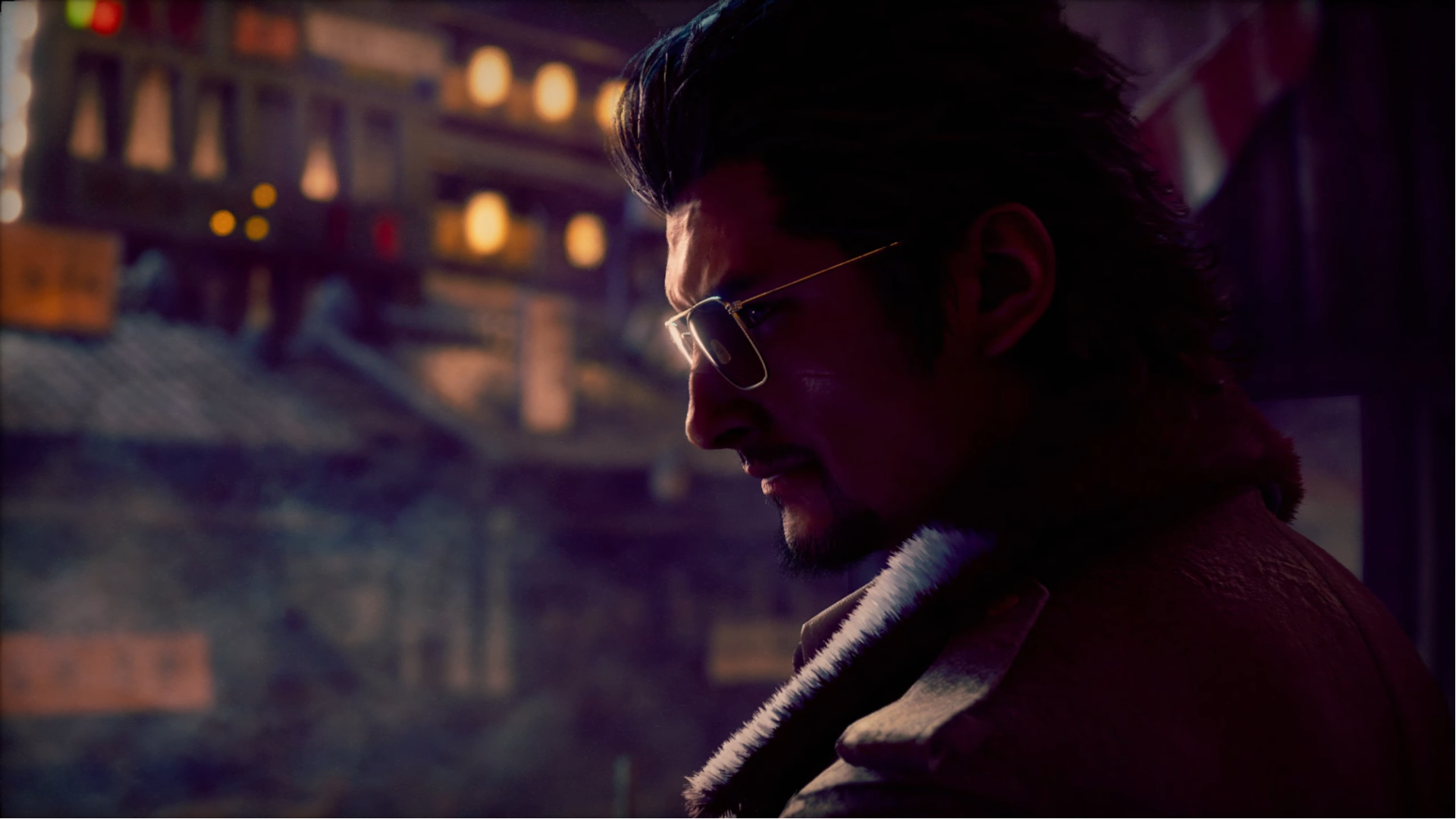
Ryu Ga Gotoku Studio Unveils Stranger than Heaven
The core promise of Stranger than Heaven appears to be a radical departure in setting, while retaining the narrative depth fans expect. The game is structured around five distinct, playable eras, each tied to a specific year: 1915, 1929, 1943, 1951, and 1965. This chronological structure suggests that environmental storytelling and character evolution will be central mechanics, forcing players to adapt their understanding of the game world as societal norms and urban landscapes drastically shift across the decades.
Perhaps the most immediately gratifying piece of news for long-time enthusiasts is the confirmed return to Kamurocho, but set far earlier than any mainline installment has explored before. By revisiting the 1960s iteration of the famed district, Ryu Ga Gotoku is tapping into a rich vein of post-war Japanese modernization, a period ripe for exploring the nascent foundations of the criminal underworld the series later depicted. The juxtaposition of modern gameplay mechanics—likely refined versions of the combat and life-sim elements perfected in recent titles—against meticulously researched historical backdrops is what elevates this project beyond simple nostalgia.
The announcement confirmed that the familiar urban sprawl of Kamurocho will be accompanied by the introduction of Osaka into the playable map rotation. While previous titles have featured glimpses or specific arcs in Osaka, Stranger than Heaven suggests a full, realized version of the city, potentially allowing the developers to explore the distinct cultural and criminal dynamics that differentiate Kansai-based organizations from their Kanto counterparts. This expansion of geography, coupled with the historical fragmentation, signals the largest scope the studio has ever attempted, moving beyond a single, contemporary setting.
Xbox Partner Preview Confirms Temporal Scope
The decision to anchor the reveal during an Xbox showcase is telling, suggesting a strong partnership and potentially leveraging next-generation hardware capabilities to render these dramatically different historical settings with fidelity. The presentation, while exciting, was strategically brief, serving primarily as an announcement rather than a deep-dive gameplay demonstration. Developers smartly reserved the granular details, promising a comprehensive overview scheduled for May 6th.
This impending May 6th presentation will be crucial. It is expected to clarify how the five eras interact—whether the game is a series of episodic campaigns, or if player actions in one timeline subtly bleed into the next. Furthermore, details regarding the protagonists of each era, and whether familiar faces will appear in their younger forms, remain tightly guarded secrets. The successful execution hinges on balancing historical accuracy with the pulpy, exaggerated drama the franchise is known for; a misstep in tone could render the historical setting inert.
The anticipation surrounding Stranger than Heaven suggests Ryu Ga Gotoku is aiming for a landmark release, potentially redefining the boundaries of the action-adventure genre by anchoring high-octane combat within meticulously crafted historical sandboxes. The blend of five distinct city-states across five eras presents a logistical and creative challenge of immense proportions, but if managed correctly, it could deliver a narrative experience unmatched in modern gaming.
Analysts predict that the game’s success will hinge on the player investment in the 1940s and 1950s segments, which represent the most volatile and least explored periods in Japanese history for major entertainment exports. The studio’s ability to translate the gritty reality of those times into compelling, playable drama will determine its critical reception. We anticipate the May overview to focus heavily on the combat mechanics specific to each era, perhaps introducing period-appropriate weaponry or fighting styles to differentiate gameplay flow between 1915 and 1965.

For further context on the studio's recent work and narrative style, the previous title, *Like a Dragon: Infinite Wealth*, offers a contemporary benchmark of their production values.
The market is prepared for Ryu Ga Gotoku’s next evolution, and Stranger than Heaven appears engineered to capitalize on both nostalgic familiarity and genuine historical curiosity. The next few weeks leading up to the May 6th deep dive will be critical for managing expectations regarding this multi-era epic.
Tags : #RyuGaGotoku #StrangerThanHeaven #XboxPartnerPreview #GamingNews #ProfessionalGaming