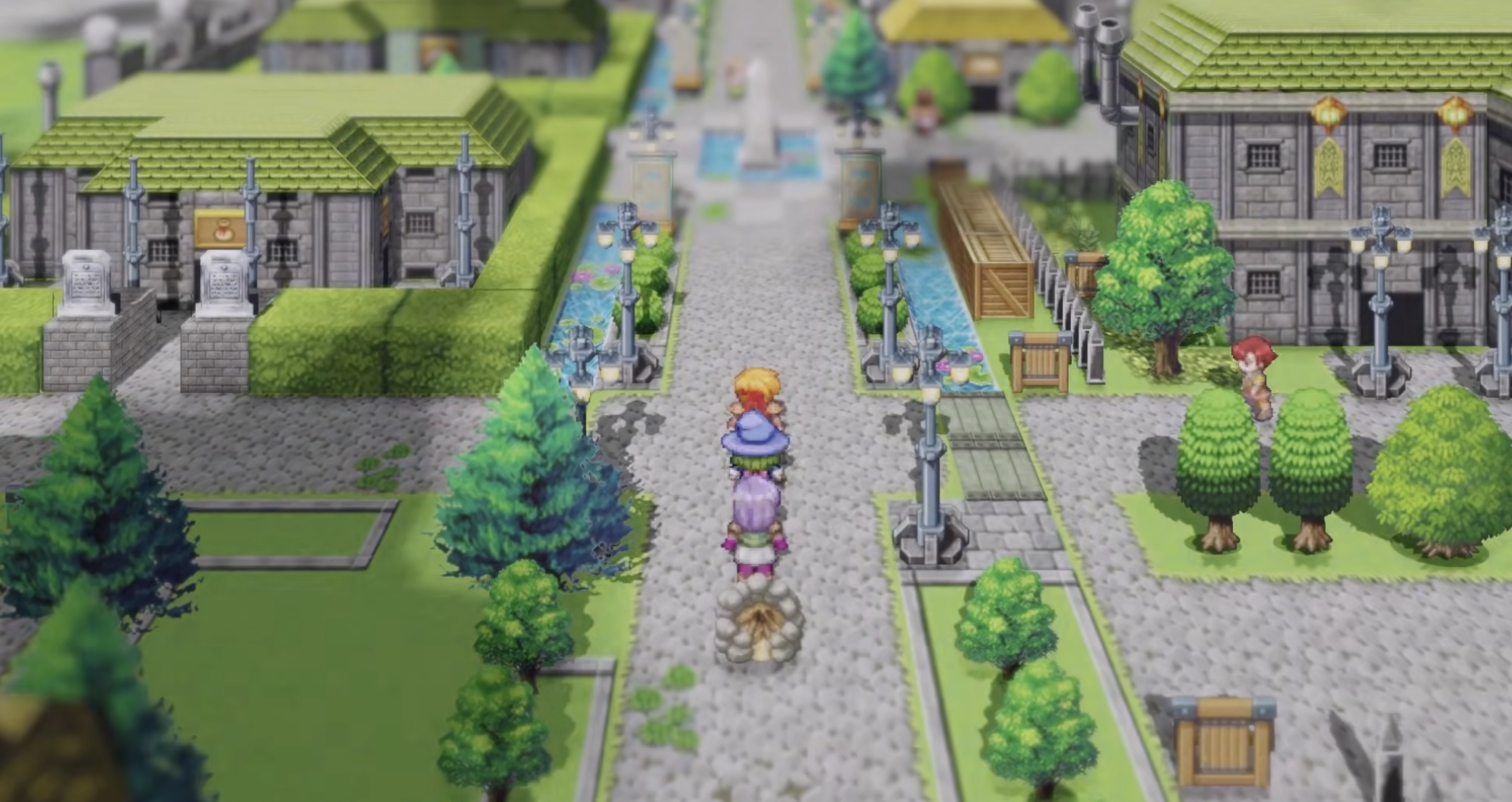
A recent teaser trailer for an upcoming role-playing game built using the RPG Maker engine has ignited fresh discussion within the indie gaming community, particularly concerning the ongoing evolution of tools long associated with retro aesthetics. The footage, which emphasizes sophisticated lighting effects and detailed environmental shadows, demonstrates a significant leap in graphical fidelity achievable within the platform. This visual polish, however, is juxtaposed against a decidedly old-school gameplay mechanic: strict grid-based movement. This deliberate design choice positions the project in direct contrast to modern JRPG interpretations, such as Square Enix's highly successful *Octopath Traveler*, which blends 16-bit inspired sprites with 3D environments and fluid, free-roaming exploration.
The release of this trailer arrives as RPG Maker titles experience a noticeable surge in visibility on digital storefronts like Steam. While the engine has always maintained a dedicated user base, the sheer volume of new releases utilizing the software has brought the genre's inherent limitations—and its unique strengths—back into the critical spotlight. A significant hurdle for many such releases remains the persistent stigma attached to the engine itself. Critics often point to the frequent reliance on readily available, recognizable stock assets, leading to a visual homogeneity that can dilute a game's distinct identity when compared to fully custom-built engines.
RPG Maker Engine Pushes Graphical Boundaries
The core tension highlighted by this new teaser centers on the genre's ability to evolve graphically without abandoning its foundational structure. For decades, the visual shorthand for an RPG Maker title involved charming but functionally limited 16-bit sprite work, immediately evoking memories of SNES-era classics like *Final Fantasy VI*. The latest advancements showcased suggest that developers are mastering the engine’s shader capabilities and rendering pipelines to achieve results that belie the software's accessible nature. This visual sophistication attempts to bridge the gap between nostalgic appeal and contemporary graphical expectations.
Yet, the adherence to the grid system serves as a crucial aesthetic and mechanical anchor. Grid-based movement, while efficient for turn-based combat and tile-mapping, inherently restricts the sense of spatial immersion that players have come to expect from contemporary open-world or even semi-open-world adventures. Developers choosing this path are making a conscious trade-off: sacrificing fluid navigation for precise positioning and a more deliberate pace, reminiscent of early computer role-playing games.
This dual focus—high-fidelity visuals paired with archaic movement—forces a re-evaluation of what constitutes "modern" design in this niche. Is immersion derived solely from polygon count and dynamic lighting, or can precise, structured gameplay mechanics offer an equally valid form of engagement? The debate echoes similar discussions surrounding pixel art revival projects that employ modern physics engines or complex lighting models.
Steam Platform Facilitates Genre Visibility
The commercial viability of these engine-specific releases on Steam cannot be overstated. The platform has become the primary distribution channel, providing a low barrier to entry for creators who might otherwise lack the resources for large-scale, bespoke engine development. This accessibility inevitably leads to market saturation, where games must work harder to distinguish themselves beyond the engine's inherent signature look.
Developers who succeed often do so by either radically subverting the engine's expectations—perhaps by creating a game that looks like a 16-bit title but plays like a fast-paced action game—or by leaning heavily into the nostalgic framework while perfecting the execution, as this new teaser seems to attempt with its superior lighting. The grid system, in this context, becomes less a limitation and more a deliberate stylistic choice, signaling adherence to a specific school of design philosophy.
The technological ceiling for RPG Maker appears to be rising, driven by community innovation and engine updates. However, the fundamental interface between the player and the game world—movement—remains a potent dividing line between honoring tradition and embracing contemporary standards of interactivity. The success of titles that manage this balancing act will define the next wave of engine-specific hits.
The continued refinement of lighting and shadow rendering within accessible engines signals a maturation of the indie sector’s technical ambition. Future successful RPG Maker titles will likely be those that treat the grid as a deliberate stylistic constraint rather than an unavoidable technical limitation. This careful synthesis of retro mechanics and next-generation visual polish is the emerging pathway for engine-specific breakout hits.
Tags : #RPGMaker #GameDevelopment #TeaserTrailer #IndieGames #GamingNews