The digital landscape has been rocked by the concurrent arrival of several video games centered on the life of Jesus Christ, immediately igniting a volatile mix of fascination and fierce condemnation. Two titles, specifically, have thrust the intersection of faith and interactive entertainment into the spotlight: the recently launched Jesus Simulator and the highly anticipated I Am Jesus Christ, slated for release next week.

The launch of Jesus Simulator today served as the initial catalyst for widespread debate, particularly within conservative and traditional religious sectors. Critics argue that the very premise of simulating divinity trivializes sacred narratives and reduces profound spiritual concepts to mere gameplay mechanics. This immediate backlash sets the stage for the broader scrutiny expected when the more feature-rich I Am Jesus Christ arrives on April 2nd.
The Genesis of I Am Jesus Christ
I Am Jesus Christ is not a sudden development; its journey to market has been protracted, first being announced to the public in 2019. This extended development cycle allowed for the creation of a substantial foundation, including a publicly accessible prologue released in 2022, which gave early adopters a taste of the game’s unconventional approach. The developers, seemingly keen on maximizing player engagement through novel mechanics, have integrated gameplay elements that stretch far beyond conventional historical or theological representation.
Perhaps the most discussed feature among early observers is the implementation of "Holy Spirit Mode." This special state, accessible by the simple press of the Tab key, suggests a direct elevation of the player’s abilities beyond human limitations—a concept that, while rooted in theology, is translated here into an interactive, on-demand power-up. This mechanic embodies the tension inherent in creating a game around a divine figure: how much creative license can be taken before the source material is fundamentally altered?
Supernatural Abilities and Biblical Fidelity
The feature set of I Am Jesus Christ continues to challenge established narratives with the inclusion of gameplay elements that appear entirely absent from canonical scripture. The game reportedly features mechanics incorporating telekinesis, allowing players to manipulate objects without physical contact, alongside traditional video game staples such as jumping puzzles. While these additions serve to create engaging challenges typical of modern gaming, they simultaneously raise serious questions regarding the developers' fidelity to established religious texts and values.
For many religious observers, the integration of overtly supernatural, yet non-scriptural, abilities risks misrepresenting the character and mission of Jesus. The argument posits that if the game is intended as a respectful portrayal, the mechanics should mirror the miracles described in the Bible, rather than introducing arbitrary, game-centric powers. This creative liberty, while perhaps intended to enhance immersion, is perceived by detractors as a dilution or even a distortion of religious doctrine for entertainment value.
The controversy highlights a persistent difficulty in adapting sacred figures for commercial entertainment. Developers must navigate a minefield where creative freedom clashes directly with deeply held spiritual convictions. The market response to these titles will serve as a significant indicator of the public appetite for such provocative religious simulations in the current era.
Image of a game screenshot or promotional art related to the controversy:
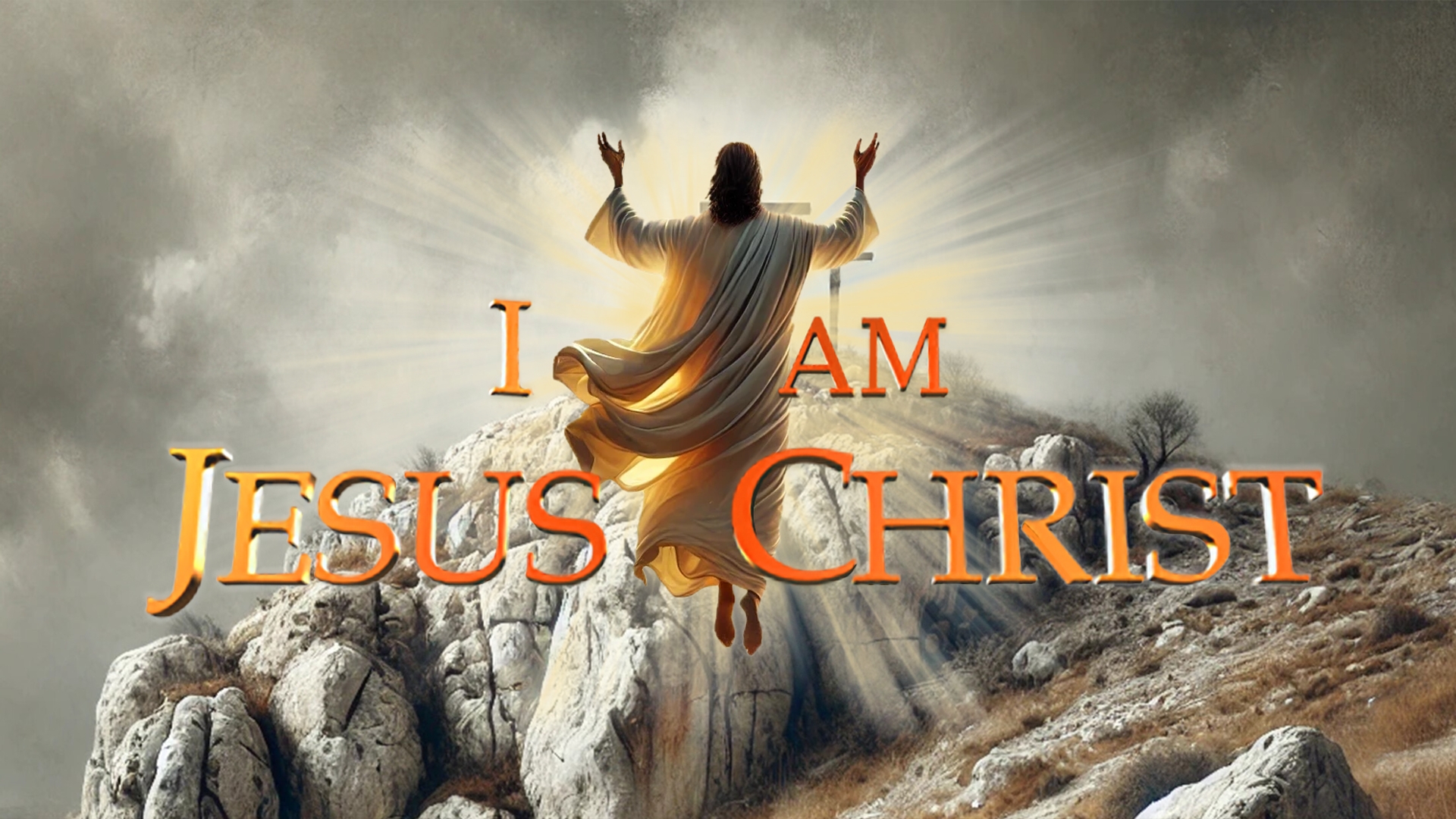
Industry analysts predict that sales figures for both titles will be polarized, driven more by controversy-fueled curiosity than steady, mainstream adoption. The ensuing media coverage will likely force developers across the simulation genre to reassess their approach to sensitive historical and religious subjects. Future simulation titles centered on revered figures will face heightened scrutiny regarding the boundary between homage and appropriation.
Tags : #JesusSimulatorGames #GamingControversy #LaunchesDebates #GameNewsNow #VirtualReligionDebate