Primate Labs Scrutinizes Intel's BOT Tool
The PC building community thrives on transparency, especially when it comes to performance metrics. Recently, Primate Labs, the developer behind the widely-used Geekbench benchmark, has raised significant concerns regarding Intel's Benchmark Optimization Tool (BOT). This utility, designed to enhance CPU performance in specific workloads, is now under intense scrutiny for its potential to manipulate benchmark results, presenting an artificially favorable picture of Intel's processor capabilities. The implications for PC builders and enthusiasts seeking accurate performance data are substantial.
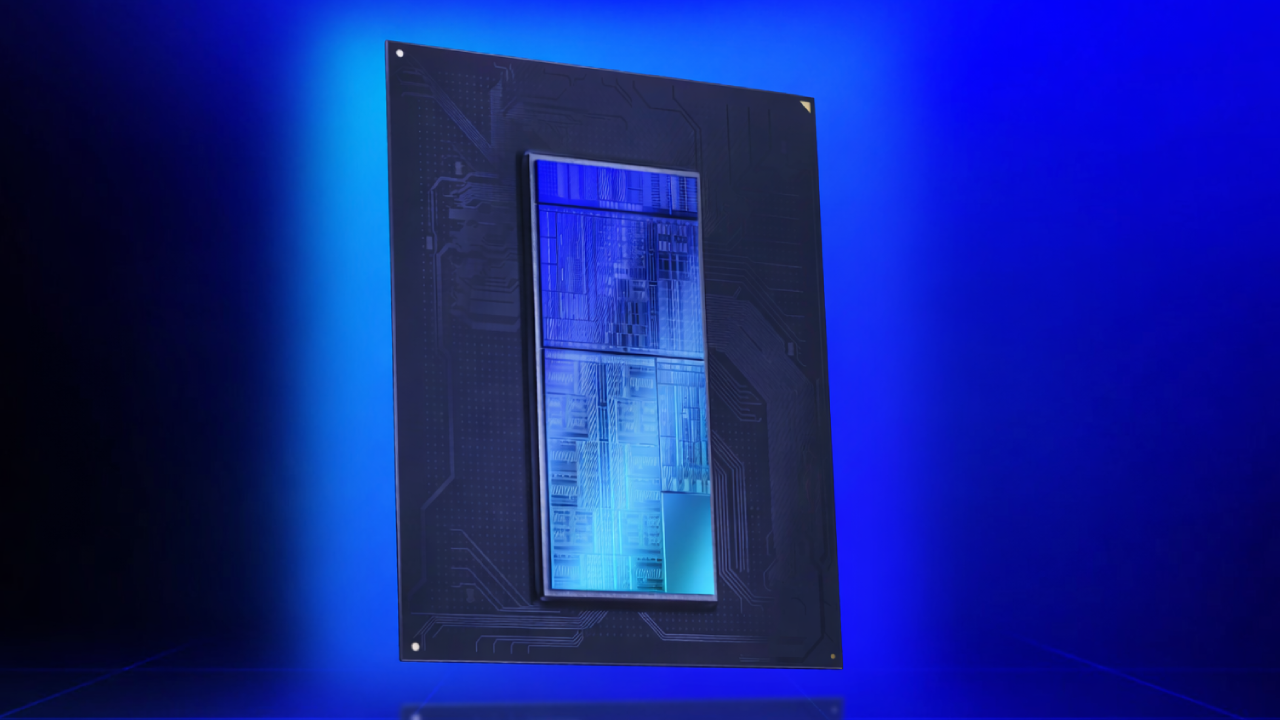

Intel BOT's Impact on Benchmark Accuracy
Primate Labs' investigation revealed a critical detail: when BOT is enabled, it actively alters the execution of certain benchmark workloads. Specifically, the company discovered that BOT can reduce the total instructions in an HDR workload by as much as 14% through sophisticated vectorization transformations. This means that rather than genuinely improving the CPU's inherent processing power for a given task, BOT appears to be optimizing the task itself to better suit the CPU's architecture, a distinction that carries significant weight in performance analysis. The lack of detailed public documentation from Intel regarding these specific optimizations further exacerbates concerns over transparency. For enthusiasts meticulously comparing architectures, nanometer processes, and raw TFLOPS, such undisclosed optimizations obscure the true performance characteristics of Intel's silicon.
Startup Delay Issues Reported
Beyond the synthetic benchmarks, Primate Labs also highlighted a tangible user experience drawback associated with BOT: significant startup delays. Their findings indicate that enabling BOT introduces a considerable lag when applications initially launch. The first run of an application could see a delay of up to 40 seconds, with subsequent runs still experiencing a noticeable 2-second pause. These delays are not merely an academic concern; they represent a direct impact on the usability and responsiveness of a system, which is particularly jarring for gamers and power users who expect immediate access to their applications and games. This trade-off between perceived benchmark performance and real-world application responsiveness raises questions about the overall value proposition of such optimization tools.
Dissecting Intel BOT's Vectorization Transformations
The core of Primate Labs' criticism lies in the nature of BOT's optimizations. Vectorization, in computing, refers to the process of transforming an algorithm to use a single instruction that operates on multiple data points simultaneously, a technique often employed to boost performance on modern CPUs with wide execution units. While vectorization is a standard performance-enhancing technique, the manner in which BOT appears to apply it, specifically by reducing instruction count in a benchmark workload, is the point of contention. This suggests a targeted optimization for specific benchmark scenarios rather than a general improvement in the CPU's ability to handle diverse computational tasks. For builders focused on long-term value and predictable performance across a wide range of applications, understanding the underlying mechanisms that drive benchmark scores is paramount. This situation underscores the ongoing challenge of accurately assessing CPU performance when vendor-specific optimization tools are in play.
Geekbench's Stance on Benchmark Integrity
Primate Labs' public statement serves as a crucial reminder of the importance of benchmark integrity within the hardware community. Geekbench, as a cross-platform benchmark, aims to provide a standardized measure of processor performance. When a tool like BOT can selectively alter benchmark execution, it undermines the comparability and reliability of these results. This puts PC builders in a difficult position, potentially leading them to make purchasing decisions based on inflated performance figures. The pursuit of higher benchmark scores through such means, without clear disclosure, can erode trust and create an uneven playing field for hardware manufacturers. The emphasis on architectural efficiency, thermal performance, and ultimately, value-per-dollar, becomes muddled when the very tools used to measure these aspects are themselves subject to manipulation.
Understanding CPU Optimization Tool Transparency
The debate surrounding Intel's BOT highlights a broader industry challenge: the need for greater transparency in CPU optimization tools. As processors become more complex, with intricate instruction sets and sophisticated power management features, vendor-specific software plays an increasingly significant role in shaping performance. However, without clear documentation detailing how these tools interact with workloads and what specific transformations are being applied, users are left to speculate. This opaqueness is particularly problematic for enthusiasts who invest considerable time and resources into understanding the nuances of their hardware. The industry needs a commitment to open disclosure of optimization techniques that affect benchmark results, ensuring that performance claims are substantiated by genuine architectural capabilities rather than algorithmic adjustments.
Expert Forecast on CPU Benchmark Practices
The ongoing scrutiny of Intel's BOT by Primate Labs will likely spur increased demand for transparency in CPU performance reporting across the industry. Expect to see more independent research firms and enthusiast communities actively probing vendor optimization tools for similar practices. This could lead to stricter guidelines or even industry-wide standards for how benchmark-influencing software is disclosed and implemented. Ultimately, the pursuit of accurate and reliable performance data will drive the evolution of benchmarking methodologies and vendor accountability.
Frequently Asked Questions
Will Intel BOT affect my gaming performance?
While BOT is designed to optimize specific workloads, its impact on general gaming performance is not definitively established. However, the reported startup delays could negatively affect user experience.
How can I check if Intel BOT is impacting my benchmarks?
You can try running benchmarks with and without BOT enabled to observe any performance differences. Primate Labs' findings suggest looking for unexpected instruction count reductions or significant startup delays.
Are there alternative CPU benchmark tools that are more transparent?
Yes, many other reputable benchmarks like Cinebench, 3DMark, and various synthetic tests focus on providing raw performance metrics without vendor-specific optimization layers that can obscure results.
Tags : #IntelBOT #CPUBenchmarks #GamingNews #PerformanceFalsification #TechScandal