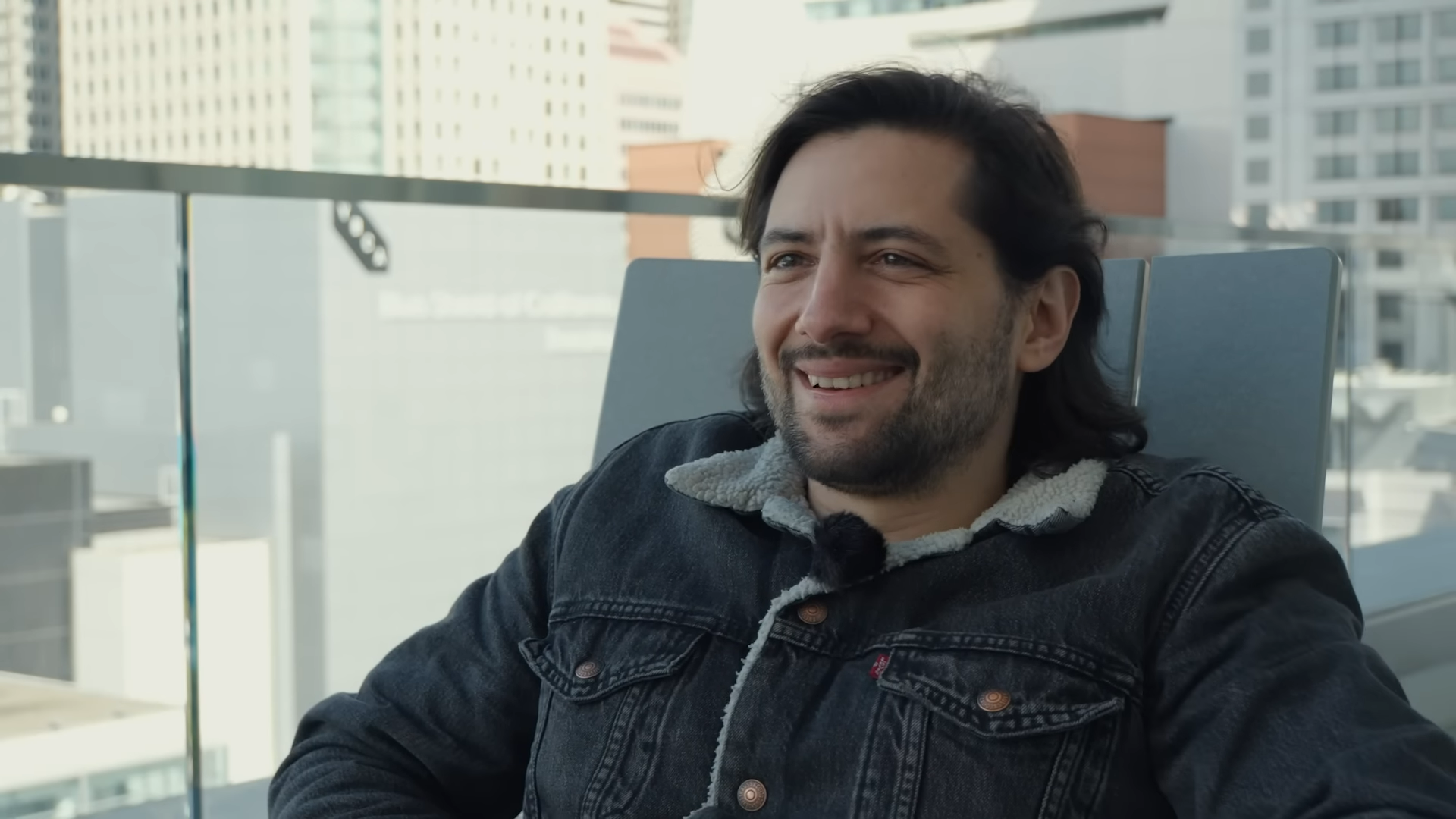
The integration of Artificial Intelligence into the creative processes of game development has reached a critical juncture, prompting industry veterans to establish frameworks for ethical usage. At the forefront of this necessary conversation is Alexander Brandon, a distinguished figure in game audio composition, whose recent participation in a Game Developers Conference (GDC) roundtable has brought sharp focus to the thorny issues surrounding data sourcing and intellectual property rights in the age of generative AI.
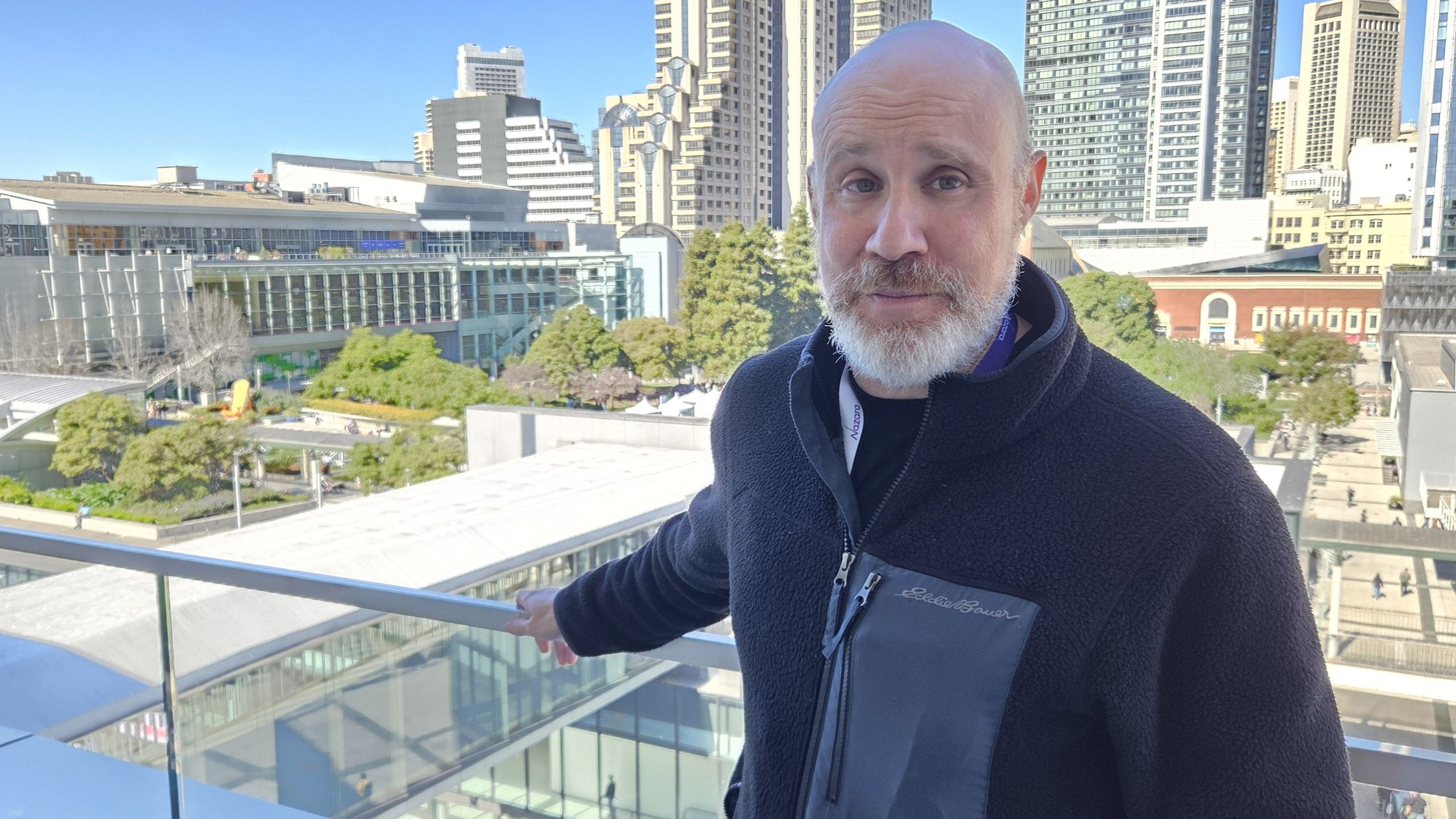
Brandon’s presence at the GDC was not merely academic; it served as a platform to articulate palpable anxieties within the creative community regarding the unchecked consumption of proprietary data by large AI firms. The core of the controversy, as highlighted during the session, centers on the practice of "AI scrubbing"—the use of existing, often copyrighted, artistic works, including sound libraries and musical scores, to train models without explicit permission or compensation to the original creators. This practice threatens the economic viability and creative autonomy of composers, sound designers, and artists across the entertainment spectrum.
Alexander Brandon Addresses AI Scrubbing Controversy
The concern voiced by Brandon is that the current trajectory of AI tool adoption risks devaluing human craftsmanship by flooding the market with synthetic content derived from uncredited sources. For game audio specialists, who invest significant time and expertise into crafting unique sonic landscapes, the potential for their life's work to become the uncompensated feedstock for a competitor's automated tool represents an existential threat. Brandon’s call to action underscores a wider industry sentiment that innovation cannot proceed at the expense of established creator rights.
To combat this trend, Brandon has taken a proactive organizational role. He has been central to the formation of a dedicated Special Interest Group (SIG) tasked with meticulous documentation. This nascent organization aims to create a comprehensive registry cataloging instances where AI companies have purportedly collected and utilized creative data without securing proper consent from the rights holders. The objective is twofold: to establish a clear evidentiary trail and to inform legal strategies aimed at mitigating risk for developers who wish to utilize AI responsibly.
The SIG is focusing intently on the intersection of evolving technological capability and existing intellectual property law, searching for precedents and pathways to establish new industry norms. Their work is crucial in defining the boundaries where machine learning assistance transitions into copyright infringement or unethical appropriation.
The discourse surrounding AI in game audio is characterized by a necessary tension: embracing efficiency gains while rigorously defending artistic integrity. Brandon’s approach reflects a pragmatic realism rather than outright technophobia. While the foundational work of the SIG is aimed at accountability for past practices, the group remains decidedly open-minded regarding the technology’s future potential.
Special Interest Group Aims for Transparency
Significantly, even within this cohort focused on ethical scrutiny, there has been no reported attraction of developers who advocate for a total moratorium on AI integration. This suggests a consensus that AI, when properly governed, offers valuable utility. Brandon himself exemplifies this balanced perspective. He actively incorporates AI tools into his workflow, specifically utilizing them for highly repetitive or administrative tasks that traditionally consume valuable creative time.
For instance, Brandon employs AI to streamline documentation searches and automate the procedural placement of sound objects within complex game environments. These applications are seen not as replacements for composition or sound design, but as productivity multipliers, freeing up human expertise for higher-level creative decision-making. This pragmatic adoption highlights the distinction the community seeks to draw: utilizing AI as an assistant versus allowing it to function as an unacknowledged replacement.
The emergence of this SIG and the candid discussions at GDC signal a maturing phase for AI adoption in creative fields. Developers are realizing that the true cost of "free" or easily accessible generative tools might eventually manifest as crippling legal liabilities or a severe erosion of the talent pipeline. The focus now shifts from mere capability to verifiable compliance and ethical sourcing.
The industry consensus seems to be coalescing around the need for auditable, consent-based data sets, effectively creating an "ethical supply chain" for AI training material. Brandon’s efforts are laying the groundwork for what may become standardized contractual language regarding the provenance of training data used in commercial game assets.
Looking ahead, the success of ethical AI integration will hinge on the establishment of clear compensation models for artists whose work informs these new systems. The immediate forecast suggests increased litigation targeting opaque data sourcing practices, forcing tool developers toward greater transparency regarding their foundational models. Furthermore, expect to see the rapid formation of industry standards dictating metadata requirements for all commercially deployed game audio assets detailing their generative history. Ultimately, the next fiscal quarter will reveal whether major AI providers are willing to engage constructively with creator demands or if regulatory intervention will become unavoidable.
Tags : #GameAudio #EthicalAI #GamingNews #AIInGames #ProfessionalGaming